
In Canada, nearly 1,700,000 people[i] have reported experiencing homelessness at some point in their lives. In the province of Québec, approximately 330,000 people[ii] have gone through homelessness. Among them, 37,400 women have experienced visible homelessness, meaning they had to live on the street, in a park, a car, or a makeshift shelter.
Recently, La Presse reported that in 2025, “seven emergency shelters for homeless women in Montréal,” Québec’s largest city, “recorded more than 41,000 refusals for accommodation due to lack of space.”
In this context, an organization like La rue des Femmes, which “provides curative and preventive relational health care to women experiencing or at risk of homelessness,” is essential.
The Deputy Executive Director of La rue des Femmes, Louise Waridel, answered our questions to shed light on the urgent issue of women’s homelessness. It is worth noting that this organization is part of the collaborative ministries of the Sisters of the Holy Names of Jesus and Mary.
Have you noticed improvements or increased vulnerability in women’s living conditions over the past few years?
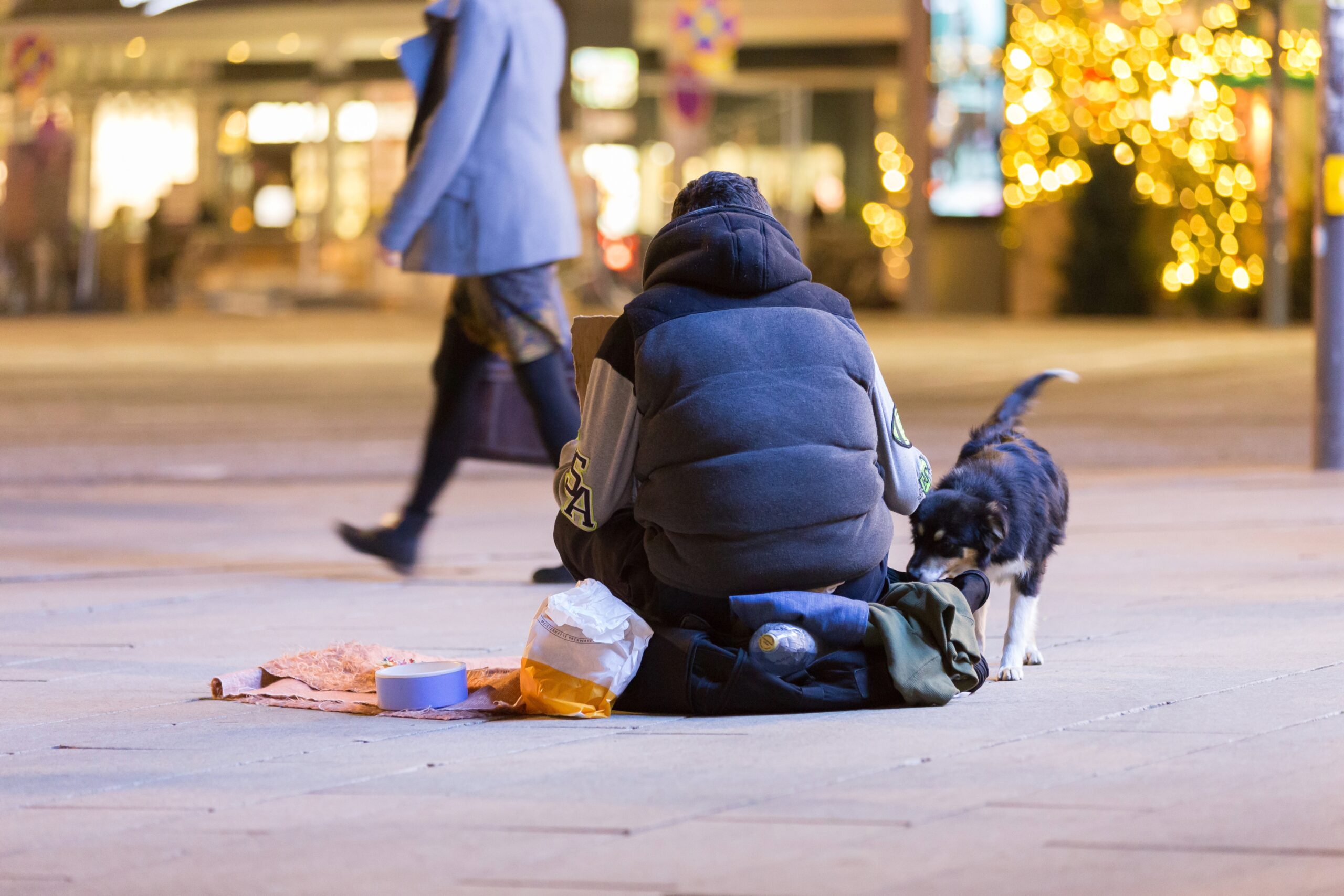
I have been working in the field of homelessness and living in Montréal for the last 20 years. It is undeniable: we are seeing a dramatic increase in the number of people experiencing homelessness and a significant deterioration of women’s conditions. Their reality has become more complex, more intense, and, in many cases, more difficult.
However, it would be unfair to say that no progress has been made. There is greater public recognition of the realities faced by women experiencing homelessness, more research on the subject, and more discussion of trauma-informed approaches.
Nevertheless, on the ground, needs are growing faster than resources. Teams are exhausted, waiting lists are getting longer, and structural solutions are slow to materialize. When resources are scarce, people in precarious situations tend to be forgotten, and we lose sight of our intention to be a community grounded in values of hospitality, democracy, and openness to the world.
In times of crisis, those who most quickly find themselves in situations of precarity and adversity—those who endure the most difficult circumstances—are women, racialized people, Indigenous people, people of diverse gender identities, and those who are physically, psychologically, or relationally vulnerable.
Why do we speak of the “invisibility” of homelessness among women?
We speak of invisible homelessness among women because their reality often does not fit the public image of homelessness. When we imagine a homeless person, we often think of someone sleeping on the street, visible in public spaces. For many women, this is not the case; they experience what is known as “hidden” or “invisible” homelessness.
Rather than sleeping outside, some women choose to stay on the sofa of a relative, an acquaintance, or a partner, often accepting precarious arrangements to avoid the streets. They may stay temporarily with someone in exchange for domestic services, financial contributions, or, sometimes, under pressure. This arrangement allows them to avoid some of the immediate dangers of the street, but it creates unequal power dynamics that lead to exploitation.
Women also develop protection strategies to avoid being identified as “homeless.” They may make great efforts to maintain a neat appearance, hold on to a job, or stay active in they community to hide their housing instability. This ability to adapt contributes to their invisibility. Fear of violence also plays a central role in these strategies.
Why are homeless women more likely to experience violence?
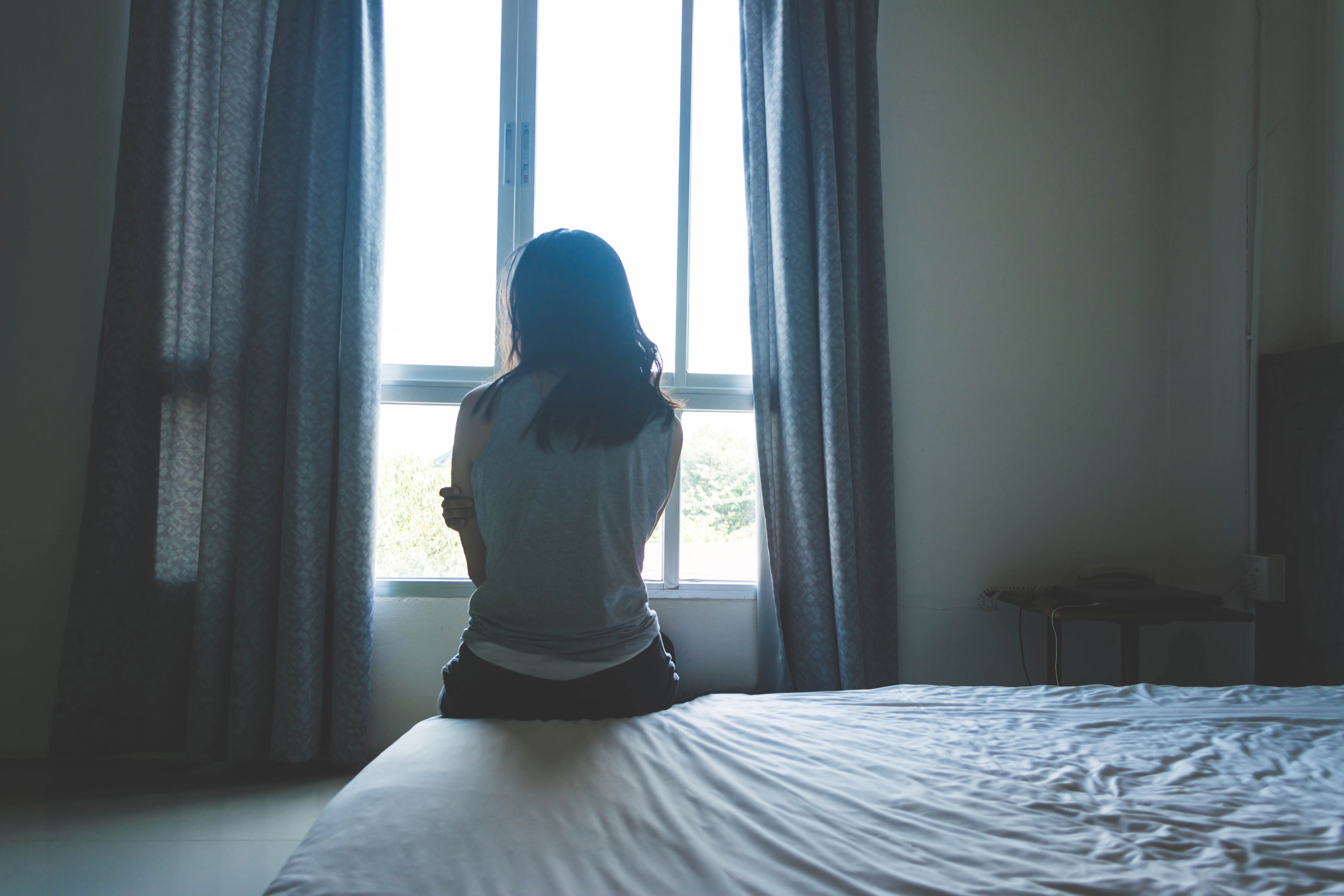
Women experiencing homelessness live in an environment marked by instability, insecurity, and various forms of violence (physical, psychological, sexual, economic, and systemic). In a context where resources are limited and everyone is struggling to meet basic needs—food, housing, safety—tensions can quickly escalate into violence.
Living on the street therefore becomes a daily struggle for survival.
Substance use is also an aggravating factor. The cycle of addiction, combined with lack of sleep, malnutrition, and constant stress, can alter judgment and increase impulsive behaviors—both in the women themselves and in those around them. Situations involving the purchase, sale, or exchange of substances particularly expose women to exploitation, coercion, and assault.
Women are also often perceived as physically vulnerable, which can make them prime targets for aggressors. Some may be forced to exchange sexual services for a place to sleep, food, or protection, placing them in deeply unequal power dynamics.
Systemic violence further compounds these challenges. Social, judicial, and medical institutions are not always well adapted to the realities of homeless women. They may encounter judgment, stigma, or a lack of understanding. Prejudices suggesting they are responsible for their situation, or that they are unstable, or not credible, further marginalize them and limit their access to protection and support.
In short, women experiencing homelessness are more exposed to violence due to a complex web of individual, social, and structural factors. Their vulnerability is not a personal weakness, but rather a result of a context shaped by gender inequality, cumulative trauma, and insufficient protection.
Why is it so difficult for these women to obtain housing?
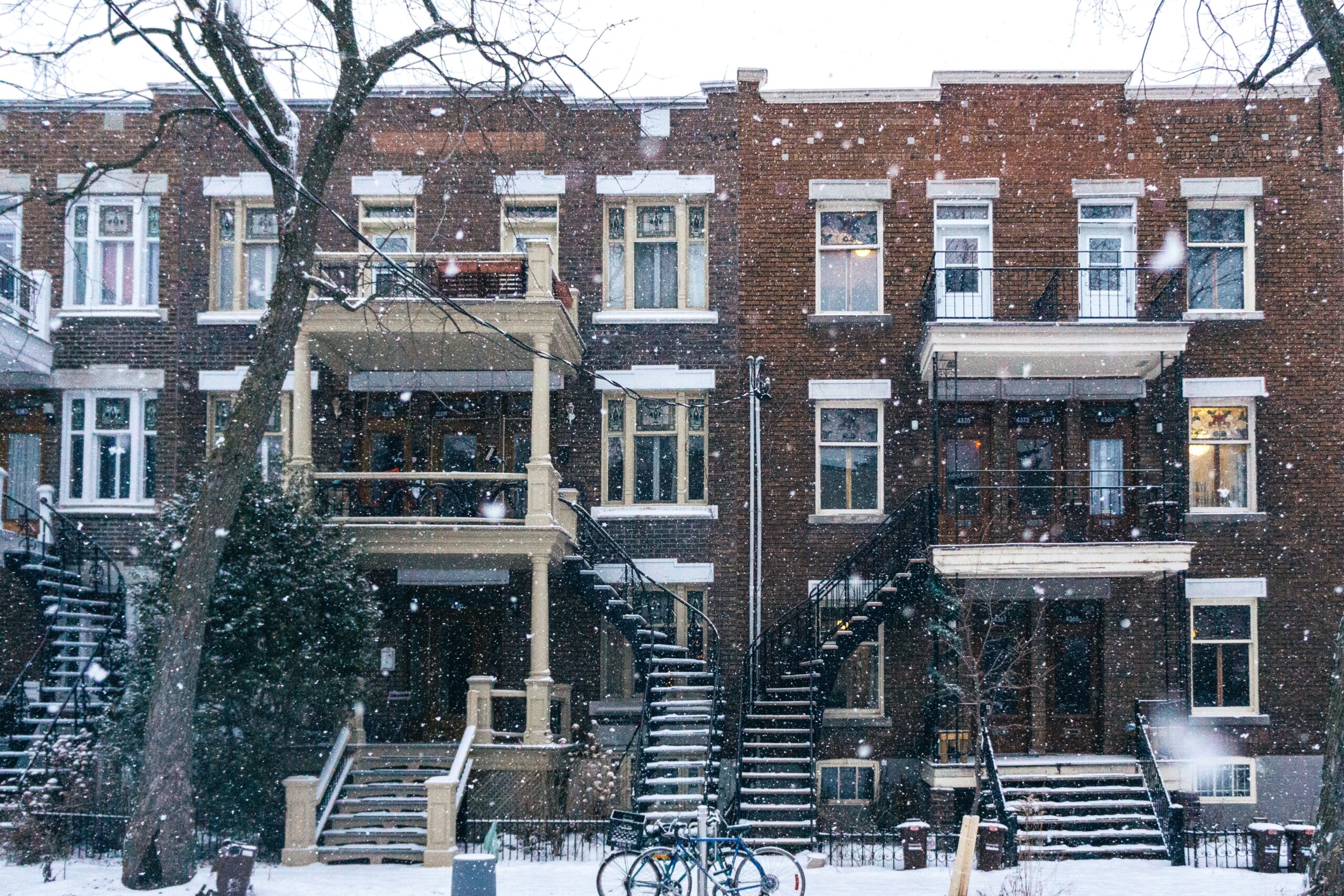
The current situation is complex. The shortage of affordable housing, rising rents, and high demand place landlords in a position of power, allowing them to be much more selective when choosing tenants. In this context, women receiving social assistance, those without stable employment, or those without recent landlord references are often excluded. Prejudices related to homelessness, mental health, or substance use further reinforce this exclusion.
Paradoxically, when we talk about homelessness, the greatest challenge is not only finding housing, but keeping it. If we skip essential steps, we risk setting homeless people up for failure again, and making them even more vulnerable.
When a person’s health has deteriorated to the point where going outside, cooking, or taking care of personal hygiene feels like an impossible task, maintaining housing is extremely difficult. When past traumas make the darkness of the night, noises, and the loneliness of an apartment feel terrifying, it only takes a few weeks for a person to return to the street.
Almost all the women who come to La rue des Femmes have experienced trauma in the face of dehumanizing structures and systems. As a result, they have lost trust in themselves and in others. This is why, at La rue des Femmes, we speak of relational health—the capacity to be in connection with oneself and with others. When something inside has been broken, time is needed for healing before a person can begin rebuilding her life.
That is why the solution cannot be limited to simply obtaining housing. First, we must offer a safe environment where healing can begin. We need spaces where trauma is recognized, where support is continuous, and where women can reflect on the type of environment that would truly suit them.
Sustainable housing is built through listening, psychosocial support, and the gradual rebuilding of autonomy. Sometimes, the answers women give regarding about their needs do not fit the traditional models we imagine—which challenges us to rethink our approaches and adapt our solutions.
[i] Statistics Canada, 2023
[ii] Government of Québec, 2021
Originally published Feb. 27, 2026, on snjm.org: https://snjm.org/en/blog/2026/02/27/la-rue-des-femmes-womens-homelessness/